Carburetor Rebuild Kit – Demon 4150
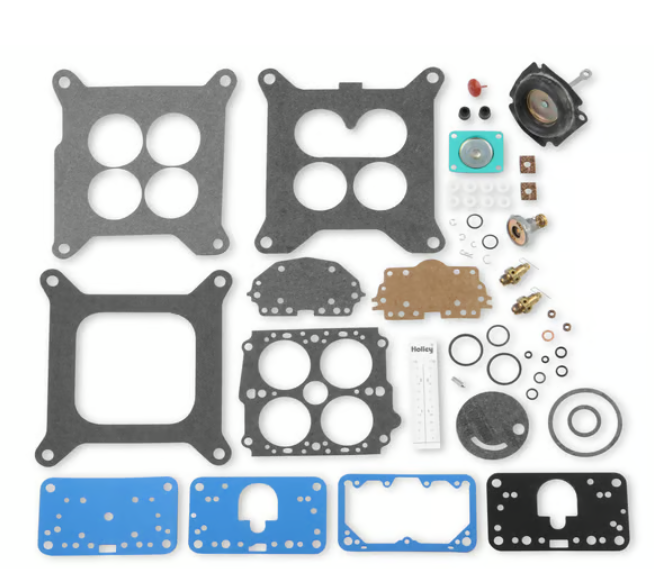
- When it’s time to rebuild your Demon™, Claw™ or HOLLEY® carburetor, look no further than Demon Fuel Systems. Our rebuild kits include every possible gasket and seal you’ll need along with many parts not included in other kits like detailed instructions an
Transform Your Engine’s Heart with Professional-Grade Restoration Components
The thunderous roar of a perfectly tuned engine is music to any automotive enthusiast’s ears. At the center of this symphony lies one of the most critical components of your vehicle’s performance system: the carburetor. When your Demon Carburetor Rebuild Kit arrives at your doorstep, you’re not just receiving a box of parts – you’re holding the key to unlocking your engine’s true potential and breathing new life into a mechanical masterpiece.
Demon carburetors have earned their reputation as high-performance fuel delivery systems that can transform an ordinary engine into a fire-breathing monster. However, like any precision instrument, these carburetors require periodic maintenance and rebuilding to maintain peak performance. Understanding the intricacies of carburetor rebuilding isn’t just about mechanical knowledge; it’s about connecting with the soul of your machine and ensuring every drop of fuel contributes to maximum power output.
Understanding the Anatomy of Excellence: What’s Inside Your Rebuild Kit
When you invest in a Demon Carburetor Rebuild Kit, you’re acquiring a carefully curated collection of precision-engineered components designed to restore your carburetor to factory specifications or better. Each kit represents countless hours of engineering and testing to ensure compatibility and performance.
The typical rebuild kit contains a comprehensive array of gaskets, O-rings, seals, and wear components that form the heart of your carburetor’s fuel delivery system. Primary gaskets include the main body gasket, float bowl gaskets, and throttle shaft seals, each designed to prevent fuel leaks and maintain proper pressure differentials throughout the carburetor body. These aren’t generic replacements – they’re manufactured to exact specifications that match the original equipment tolerances.
Needle and seat assemblies represent another critical component found in quality rebuild kits. These precision-machined parts control fuel flow into the float bowl, and their condition directly impacts fuel economy and engine performance. A worn needle and seat can cause flooding, poor idle quality, and inconsistent fuel delivery under various operating conditions.
Float mechanisms, whether brass or composite construction, ensure proper fuel levels within the carburetor. The rebuild kit typically includes a new float along with the associated hardware, guaranteeing that fuel levels remain consistent regardless of vehicle attitude or acceleration forces.
Accelerator pump components, including diaphragms, check valves, and discharge nozzles, restore the carburetor’s ability to provide instantaneous throttle response. These components are particularly important for performance applications where crisp acceleration is paramount.
Jets and metering rods, when included, allow for fine-tuning of the air-fuel mixture across different operating ranges. Quality rebuild kits often include multiple jet sizes to accommodate various engine configurations and performance requirements.
The Art and Science of Carburetor Restoration
Utilizing a Demon Carburetor Rebuild Kit effectively requires understanding both the mechanical processes involved and the subtle nuances that separate a functional rebuild from a masterpiece of automotive craftsmanship. The rebuilding process begins long before you remove the first bolt – it starts with careful planning and preparation.
The disassembly phase requires methodical attention to detail. Every component must be carefully catalogued and inspected, as the condition of existing parts often provides valuable insights into the carburetor’s operating history and potential underlying issues. Photographic documentation of the disassembly process proves invaluable during reassembly, particularly for complex multi-barrel configurations.
Cleaning represents one of the most critical aspects of the rebuild process. Modern carburetor cleaners and ultrasonic cleaning equipment can remove decades of accumulated varnish, deposits, and contamination that compromise performance. However, certain components require specialized cleaning techniques to avoid damage to delicate surfaces or coatings.
The reassembly process demands precision and patience. Each gasket must be properly positioned, every seal correctly oriented, and all torque specifications carefully observed. The Demon Carburetor Rebuild Kit includes components manufactured to precise tolerances, but installation technique ultimately determines success or failure.
Initial adjustment and calibration transform a rebuilt carburetor from a collection of parts into a finely tuned fuel delivery system. This process requires understanding of air-fuel ratios, throttle progression, and the interplay between various circuits within the carburetor body.
Navigating the Marketplace: Sourcing Your Rebuild Kit
The automotive aftermarket offers numerous sources for Demon Carburetor Rebuild Kits, each with distinct advantages and considerations. Understanding these options ensures you receive genuine, high-quality components that meet your specific requirements.
Authorized Demon dealers represent the most direct source for genuine rebuild kits. These establishments typically maintain extensive inventory and can provide expert guidance regarding kit selection and application. The premium associated with dealer purchases often reflects not just product quality but also technical support and warranty coverage.
Performance automotive supply houses specialize in high-performance components and often stock rebuild kits for popular Demon carburetor models. These businesses typically employ knowledgeable staff who understand the unique requirements of performance applications and can recommend complementary upgrades.
Online marketplaces have revolutionized parts sourcing, offering competitive pricing and convenient ordering. However, the vast selection requires careful verification of part numbers and compatibility. Reputable online retailers provide detailed product descriptions, compatibility charts, and customer reviews that aid in selection.
Local automotive parts stores may carry basic rebuild kits, though selection is often limited to common applications. These establishments excel in immediate availability and face-to-face consultation, particularly valuable for novice rebuilders seeking guidance.
Investment Analysis: Understanding Rebuild Kit Economics
The cost of a Demon Carburetor Rebuild Kit varies significantly based on carburetor model, kit comprehensiveness, and source selection. Understanding these variables helps establish realistic budget expectations and ensures appropriate value for your investment.
Basic rebuild kits, containing essential gaskets and seals, typically represent the most economical option for routine maintenance rebuilds. These kits address fundamental wear items and restore basic functionality without including performance enhancement components.
Comprehensive rebuild kits command premium pricing but include advanced components such as upgraded needle and seat assemblies, performance jets, and enhanced materials. These kits often prove more economical in the long term by addressing all potential wear points simultaneously.
Professional-grade kits designed for racing or extreme performance applications incorporate exotic materials and precision manufacturing techniques that justify their elevated cost through superior durability and performance characteristics.
The economic analysis must also consider labor costs if professional installation is required. Many enthusiasts discover that the cost of professional rebuild services often exceeds the carburetor’s replacement value, making DIY rebuilding an attractive option.
Model-Specific Considerations: Matching Kit to Carburetor
Demon Carburetor Rebuild Kits are engineered for specific carburetor models, making accurate identification crucial for successful rebuilding. Demon’s extensive product line encompasses various configurations, each requiring unique components and specifications.
Street Demon carburetors, designed for daily driving applications, utilize different internal components than their Speed Demon racing counterparts. The rebuild kits reflect these differences through material selection, sizing, and included components.
CFM ratings directly influence kit requirements, as larger carburetors incorporate different throttle shaft configurations, accelerator pump mechanisms, and fuel bowl designs. A 750 CFM Speed Demon requires significantly different components than a 625 CFM Street Demon, despite superficial similarities.
Fuel inlet configurations vary between models, affecting the included fittings and seals within rebuild kits. Some applications require AN fittings while others utilize NPT threads, making precise identification essential.
Secondary throttle mechanisms differ between mechanical and vacuum-operated designs, requiring specific components within the rebuild kit. Mechanical secondary carburetors include additional linkages and hardware not present in vacuum secondary units.
Identification Techniques: Decoding Your Carburetor
Proper identification of your Demon carburetor ensures selection of the correct Demon Carburetor Rebuild Kit and prevents costly ordering mistakes. Multiple identification methods provide redundant verification of your carburetor’s specifications.
The primary identification tag, typically located on the carburetor’s main body, contains the model number and manufacturing date. This stamped or etched information represents the most reliable identification method, though years of service may compromise legibility.
Physical characteristics provide alternative identification methods when tags are damaged or missing. Throttle bore diameter, measured with precision calipers, indicates CFM rating and narrows kit selection significantly.
Fuel inlet configuration, choke mechanism type, and secondary operation method provide additional identification clues. These physical features, combined with mounting pattern measurements, typically provide sufficient information for accurate kit selection.
Digital resources, including manufacturer websites and enthusiast forums, offer comprehensive identification guides with detailed photographs and specifications. These resources prove particularly valuable for unusual or modified applications.
Essential Tools: Equipping Your Workshop
Successful Demon Carburetor Rebuild Kit installation requires specific tools and equipment that ensure precision assembly and optimal performance. While basic hand tools suffice for simple rebuilds, professional-quality equipment dramatically improves results and efficiency.
Precision measuring instruments, including dial calipers and micrometers, enable accurate assessment of wear patterns and verification of replacement part dimensions. These tools prove essential when determining whether existing components require replacement or can be reused.
Carburetor-specific tools, such as float level gauges and jet removal tools, simplify complex procedures and reduce the risk of component damage. These specialized implements often pay for themselves through reduced rebuild time and improved accuracy.
Cleaning equipment ranges from simple carburetor cleaner and brushes to sophisticated ultrasonic cleaning systems. The investment in proper cleaning equipment often determines the longevity and performance of the rebuilt carburetor.
Assembly tools, including torque wrenches calibrated for small fasteners and non-marring installation implements, ensure proper component installation without damage to delicate surfaces or precision-machined components.
Guided Restoration: Following Manufacturer Instructions
Quality Demon Carburetor Rebuild Kits include comprehensive instructions that guide rebuilders through each step of the restoration process. These documents represent accumulated expertise and testing, providing valuable insights that extend beyond basic assembly procedures.
Step-by-step disassembly sequences prevent component damage and ensure nothing is overlooked during the rebuild process. Proper disassembly technique often reveals underlying issues that might otherwise compromise the rebuild’s success.
Cleaning recommendations specify appropriate solvents and techniques for different materials within the carburetor. Following these guidelines prevents damage to rubber components, delicate coatings, and precision-machined surfaces.
Assembly sequences ensure components are installed in proper order with correct orientation and torque specifications. These procedures prevent interference issues and guarantee optimal performance from the rebuilt carburetor.
Initial adjustment procedures transform a mechanically sound carburetor into a properly calibrated fuel delivery system. These baseline settings provide the starting point for fine-tuning to specific engine requirements.
Timeline Expectations: Planning Your Rebuild
The time investment required for Demon Carburetor Rebuild Kit installation varies significantly based on rebuilder experience, carburetor complexity, and desired quality level. Understanding these factors enables realistic project planning and prevents rushed workmanship.
First-time rebuilders should allocate generous time allowances for familiarization with carburetor operation and rebuilding techniques. The learning process, while time-consuming, provides valuable knowledge for future maintenance and troubleshooting.
Experienced rebuilders can typically complete routine rebuilds within a few hours, though complex performance carburetors may require additional time for calibration and testing. The time investment often proves worthwhile through improved reliability and performance.
Cleaning represents a significant portion of rebuild time, particularly for heavily contaminated carburetors. Ultrasonic cleaning equipment dramatically reduces cleaning time while providing superior results compared to manual methods.
Initial startup and calibration procedures require patient attention to detail and may necessitate multiple adjustment cycles. Rushing this phase often compromises the entire rebuild effort and may require starting over.
DIY vs. Professional: Making the Decision
The choice between self-installation of your Demon Carburetor Rebuild Kit and professional service depends on multiple factors including skill level, available tools, and time constraints. Each approach offers distinct advantages and limitations.
DIY rebuilding provides unmatched learning opportunities and complete control over quality and attention to detail. The hands-on experience develops invaluable troubleshooting skills and intimate knowledge of your carburetor’s operation.
Cost considerations often favor DIY approaches, as labor charges for professional carburetor rebuilding can exceed the cost of replacement carburetors. However, mistakes during DIY rebuilding can quickly negate cost savings through damaged components or poor performance.
Professional rebuilders bring extensive experience and specialized equipment to the project, often achieving superior results in less time. Their expertise proves particularly valuable for complex performance applications or unusual carburetor configurations.
The availability of professional services varies by geographic location, with some areas offering limited options for carburetor rebuilding. This reality often makes DIY rebuilding the only practical option for many enthusiasts.
Diagnostic Excellence: Recognizing Rebuild Requirements
Understanding when your Demon carburetor requires rebuilding ensures optimal performance and prevents more serious engine damage. Multiple symptoms indicate internal carburetor wear that Demon Carburetor Rebuild Kit installation can address.
Fuel leakage represents the most obvious sign of required rebuilding, indicating failed gaskets, seals, or needle and seat assemblies. External fuel stains around the carburetor base or float bowls clearly indicate internal sealing problems.
Performance degradation manifests through various symptoms including poor idle quality, hesitation during acceleration, and reduced fuel economy. These issues often result from worn accelerator pump components, damaged gaskets, or contaminated internal passages.
Hard starting conditions, particularly when combined with flooding symptoms, suggest problems with the needle and seat assembly or float adjustment. These components directly control fuel level and flow, affecting starting characteristics and overall performance.
Visible corrosion or contamination within the carburetor indicates the need for complete rebuilding rather than simple adjustment. Internal contamination compromises all carburetor circuits and requires thorough cleaning and component replacement.
Universal vs. Model-Specific: Understanding Kit Applications
Demon Carburetor Rebuild Kits are engineered as model-specific solutions rather than universal applications, reflecting the precision requirements of high-performance fuel delivery systems. This approach ensures optimal fit, function, and performance from rebuilt carburetors.
Universal rebuild kits, while available from some suppliers, often compromise performance through imprecise fit or inappropriate materials. These generic solutions may provide basic functionality but rarely achieve the performance standards expected from Demon carburetors.
Model-specific engineering ensures that all components within the rebuild kit are manufactured to exact specifications for your particular carburetor. This precision approach eliminates fitment issues and guarantees optimal performance from the rebuilt unit.
Material selection within model-specific kits reflects the operating requirements and performance expectations of particular carburetor models. Racing applications receive different materials than street applications, optimizing durability and performance for intended use.
Quality control procedures for model-specific kits include comprehensive testing with actual carburetor samples, ensuring compatibility and performance before market introduction. This testing process eliminates the guesswork associated with universal applications.
Cross-Platform Compatibility: Demon and Holley Relationships
The relationship between Demon and Holley carburetors creates interesting compatibility questions regarding Demon Carburetor Rebuild Kit applications. Understanding these relationships helps determine appropriate kit selection for various scenarios.
Demon carburetors incorporate many design elements derived from Holley carburetors, creating some component interchangeability. However, this similarity doesn’t guarantee universal compatibility, particularly for critical sealing components.
Specific components such as jets, power valves, and some gaskets may interchange between certain Demon and Holley models. However, complete rebuild kits are typically model-specific and shouldn’t be substituted without verification.
Performance modifications often involve mixing components from different manufacturers, requiring careful attention to compatibility and performance implications. These modifications may necessitate custom rebuild approaches rather than standard kit applications.
The safest approach involves using manufacturer-specific rebuild kits designed for your exact carburetor model. This approach ensures optimal performance and eliminates compatibility concerns that could compromise rebuild success.
Educational Resources: Expanding Your Knowledge
Successful Demon Carburetor Rebuild Kit utilization benefits tremendously from comprehensive educational resources that explain theory, technique, and troubleshooting procedures. Multiple resource types cater to different learning preferences and skill levels.
Video tutorials provide visual instruction that clarifies complex procedures and demonstrates proper techniques. These resources prove particularly valuable for visual learners who benefit from seeing procedures performed correctly.
Written guides offer detailed explanations of theory and procedure that support hands-on learning. These resources serve as permanent references during actual rebuild projects and provide troubleshooting guidance for common issues.
Online forums connect rebuilders with experienced enthusiasts who can provide guidance, share experiences, and offer solutions to unusual problems. These communities represent vast collective knowledge bases that benefit all participants.
Manufacturer technical support provides authoritative guidance for specific applications and unusual circumstances. This resource proves particularly valuable when dealing with modified or unusual carburetor configurations.
Maintenance Scheduling: Optimizing Carburetor Life
Establishing appropriate rebuild intervals for your Demon carburetor ensures optimal performance while avoiding unnecessary maintenance costs. Multiple factors influence Demon Carburetor Rebuild Kit replacement schedules and maintenance requirements.
Operating conditions significantly impact rebuild intervals, with severe service applications requiring more frequent attention than normal street driving. Racing applications, marine environments, and extreme temperatures accelerate component wear and contamination.
Fuel quality directly affects internal carburetor condition and rebuild requirements. Modern ethanol-blended fuels create unique challenges including accelerated rubber deterioration and increased corrosion potential.
Storage conditions influence long-term carburetor health, with proper preparation extending service intervals significantly. Improper storage often necessitates complete rebuilding regardless of operating hours or mileage.
Performance expectations also influence rebuild schedules, with maximum performance applications requiring more frequent maintenance than basic transportation needs. Racing carburetors may require seasonal rebuilding while street carburetors might operate for years between rebuilds.
Conclusion: Mastering the Art of Carburetor Restoration
The journey through Demon Carburetor Rebuild Kit selection, installation, and optimization represents far more than a simple maintenance procedure. It embodies the connection between enthusiast and machine, the pursuit of mechanical excellence, and the satisfaction derived from restoring precision equipment to peak performance.
Every rebuilt carburetor tells a story of dedication, patience, and mechanical understanding that extends beyond simple wrench turning. The process develops invaluable skills while creating deeper appreciation for the engineering excellence that defines high-performance fuel delivery systems.
Success with carburetor rebuilding comes through understanding that each component within the rebuild kit serves a specific purpose in the greater fuel delivery system. This holistic approach ensures that rebuilt carburetors not only function properly but deliver the performance characteristics that make Demon carburetors legendary among automotive enthusiasts.
The investment in quality rebuild kits, proper tools, and educational resources pays dividends through improved reliability, enhanced performance, and the personal satisfaction that comes from mastering complex mechanical systems. Whether your goals include daily driver reliability or maximum racing performance, the proper application of rebuild kit technology provides the foundation for achieving your automotive objectives.
The future of carburetor technology may evolve, but the fundamental principles of precision fuel delivery remain constant. Understanding these principles through hands-on rebuilding experience creates knowledge that transcends specific applications and benefits all aspects of automotive enthusiasm. Your Demon Carburetor Rebuild Kit represents not just replacement parts, but an opportunity to develop skills and knowledge that will serve you throughout your automotive journey.